You Won’t Believe What I Found in Fukuoka’s Hidden Corners
Fukuoka doesn’t just surprise you—it rewires your expectations. I went looking for ramen and beaches but stumbled into a city where centuries collide in brick, wood, and steel. From ancient shrines breathing quiet wisdom to futuristic towers glowing at dusk, Fukuoka’s architecture isn’t just about style—it’s a conversation between past and future. This is urban poetry written in concrete and craftsmanship. What unfolds across its streets is not a clash of eras, but a careful choreography of continuity and innovation. For the curious traveler, especially those who appreciate depth over dazzle, Fukuoka offers a rare urban rhythm—calm yet vibrant, traditional yet boldly forward-thinking. It’s a city that listens to its history while confidently shaping tomorrow.
First Impressions: Where Tradition Meets Tomorrow
Arriving in Fukuoka, one is immediately struck by the harmony between old and new. Unlike the relentless modernity of Tokyo or the time-capsule preservation of Kyoto, Fukuoka presents a more organic blend. The cityscape unfolds as a dialogue—ancient temples nestled between glass-fronted office buildings, wooden shrines framed by neon-lit streets. This coexistence is not accidental but intentional, reflecting a cultural mindset that values progress without discarding the past. The city’s skyline, anchored by the slender Fukuoka Tower rising 234 meters above the coastline, stands in quiet conversation with centuries-old religious sites just minutes away. This balance creates a visual and emotional rhythm that feels both dynamic and grounded.
One of the most powerful symbols of this duality is Shōfuku-ji, Japan’s first Zen Buddhist temple, established in 1195. Located in the heart of the city, its wooden halls and serene courtyards exist amid modern infrastructure, yet remain a place of stillness and spiritual continuity. Visitors often pause here before heading to nearby shopping districts, illustrating how seamlessly tradition integrates into daily life. The temple’s presence is not performative; it is lived. This integration extends beyond religion into urban design—narrow alleys lined with machiya townhouses give way to sleek public plazas, and historic neighborhoods like Gion retain their character even as new developments rise around them.
Fukuoka’s approach to urban growth prioritizes respect over replacement. When new buildings go up, they often incorporate design elements that echo local heritage—curved roof lines, natural wood finishes, or courtyards that invite light and air. This sensitivity ensures that modernity does not erase memory. The city’s planners understand that identity is not just preserved in museums but expressed through the built environment. As a result, Fukuoka avoids the alienating effect of rapid urbanization seen in other fast-growing cities. Instead, it offers a model where development feels like evolution, not erasure.
The Soul of the City: Religious Architecture That Stands the Test of Time
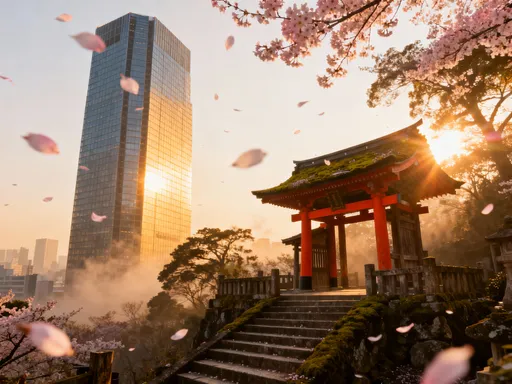
Fukuoka’s religious structures are more than places of worship—they are architectural anchors that define the city’s soul. Among them, Hakozaki Shrine stands as a testament to enduring tradition. Founded in the 9th century and rebuilt several times after wars and natural disasters, its current form retains classic Shinto design principles: towering vermilion torii gates, cypress wood beams, and gracefully curved roofs that mimic the silhouette of distant mountains. These elements are not merely decorative; they carry symbolic meaning. The red gates mark the transition from the mundane to the sacred, while the use of natural materials reflects a deep reverence for nature—a core tenet of Shinto belief.
What makes Hakozaki Shrine particularly remarkable is its role in everyday life. Locals visit not only during festivals but also on ordinary mornings, offering quiet prayers before work or school. The shrine hosts major events like the Hakozaki Gion Matsuri, a vibrant summer festival featuring portable shrines, traditional music, and processions through the streets. These moments bring the community together, reinforcing cultural continuity across generations. The shrine’s location near the sea adds to its spiritual resonance, with ocean breezes carrying the scent of salt and pine through its sacred grounds.
Beyond Shinto, Fukuoka’s Buddhist temples offer a different kind of architectural serenity. Temples such as Jōten-ji and Sōfuku-ji reflect Zen aesthetics—minimalist layouts, asymmetrical designs, and an emphasis on natural light and open space. These spaces are designed to calm the mind, using stone pathways, raked gravel gardens, and carefully placed trees to create a meditative atmosphere. Even in the city center, these temples serve as quiet refuges, their walls absorbing the noise of traffic and commerce. Their resilience through earthquakes, fires, and urban expansion speaks not only to skilled craftsmanship but to the cultural value placed on preservation.
The survival of these religious sites amidst modern development is no small feat. It reflects a collective commitment to maintaining spiritual and historical landmarks as living parts of the city, not relics frozen in time. This approach allows architecture to function as both shelter and symbol—protecting not just people, but memory, identity, and peace. For visitors, stepping into these spaces offers a rare chance to slow down, reflect, and witness how faith and form can coexist in harmony.
Modern Icons: How Fukuoka Builds Its Future
Fukuoka’s contemporary architecture reveals a city unafraid to innovate while remaining deeply connected to its environment. Among its most celebrated modern landmarks is the ACROS Fukuoka Building, a striking example of ecological design. Designed by Argentine-American architect Emilio Ambasz and completed in 1995, this 14-story structure appears to grow out of the hillside like a terraced mountain. Its stepped façade supports over 35,000 plants, creating a vertical garden that softens the building’s presence and provides habitat for birds and insects. This integration of nature into urban form challenges the traditional notion of skyscrapers as purely functional or symbolic of human dominance over the landscape.
The building houses government offices, exhibition spaces, and a public rooftop park, making it both a workplace and a destination. Visitors can walk through its green terraces, enjoying panoramic views of the city while surrounded by blooming flowers and native vegetation. This design not only improves air quality and reduces heat but also fosters a sense of well-being among those who use the space. ACROS Fukuoka demonstrates that sustainability and beauty are not mutually exclusive—they can be mutually reinforcing. Its success has inspired similar green architecture projects around the world, proving that one city’s vision can have global influence.
Another iconic structure is Canal City Hakata, a mixed-use complex that blends shopping, entertainment, and architectural spectacle. Opened in 1996, it features a central canal lined with restaurants and shops, illuminated nightly by synchronized water and light shows. The complex’s design draws inspiration from Venice and Amsterdam but adapts the concept to a Japanese urban context, emphasizing cleanliness, order, and seasonal decorations. During cherry blossom season, the area is adorned with soft pink lights; in winter, it transforms into a festive wonderland with holiday displays and ice-themed events.
Canal City is more than a commercial space—it is a social hub. Families gather here on weekends, couples stroll along the water, and tourists pause to take photos of the dancing fountains. The architecture supports this vibrancy through wide walkways, open plazas, and sheltered seating areas. Even the building materials—polished stone, glass, and steel—are chosen to reflect light and create a bright, inviting atmosphere. These details show that Fukuoka’s modern structures are designed not just to impress, but to be used, enjoyed, and remembered.
Everyday Spaces: The Quiet Beauty of Residential and Street-Level Design
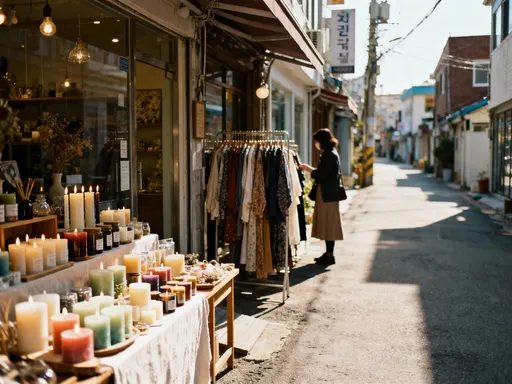
While grand landmarks capture attention, Fukuoka’s true charm often lies in its everyday spaces. The city’s residential neighborhoods reveal a deep respect for craftsmanship, adaptation, and human scale. In districts like Daimyo, Tenjin, and Nagahama, narrow streets wind through a mosaic of architectural styles—Meiji-era townhouses stand beside contemporary minimalist homes, and converted warehouses now house artisan cafes and boutique shops. This layering of eras creates a sense of depth and authenticity that cannot be replicated in planned developments.
The traditional machiya, a type of wooden townhouse common in older Japanese cities, remains a defining feature in many parts of Fukuoka. These homes, typically narrow and deep, were originally built for merchants and artisans. Their design maximizes limited urban space while ensuring ventilation and privacy. Many have been carefully restored, with modern interiors hidden behind preserved façades. Others have been repurposed into small businesses—bookstores, tea houses, or design studios—demonstrating how historical buildings can remain relevant in a changing economy. This adaptive reuse is not just practical; it is a cultural statement about valuing what already exists.
Even newer residential buildings in Fukuoka often incorporate thoughtful design elements. Rooftop gardens, interior courtyards, and wooden latticework are common features, reflecting a desire to bring nature into daily life. Some apartment complexes include shared spaces for neighbors to gather, reinforcing community bonds in an increasingly urbanized society. These details may seem minor, but they contribute significantly to quality of life. They show that good design is not reserved for museums or government buildings—it belongs in the places where people live, eat, and connect.
Street-level design further enhances this sense of intimacy. Sidewalks are wide enough for comfortable walking, lined with trees and benches. Small parks and pocket plazas offer places to rest or chat with neighbors. Public art—murals, sculptures, seasonal flower arrangements—adds visual interest without overwhelming the streetscape. This attention to detail makes Fukuoka a pleasure to explore on foot, encouraging slow travel and discovery. For families, this walkability means children can safely explore their neighborhoods, and elderly residents can move independently. In this way, architecture becomes a quiet enabler of well-being.
Why Fukuoka’s Architecture Works: Urban Planning With a Human Touch
The success of Fukuoka’s built environment lies in its human-centered urban planning. Unlike cities that prioritize cars or commercial interests, Fukuoka has invested in walkability, green space, and mixed-use development. Over 40% of the city is covered in greenery, including parks, gardens, and tree-lined avenues. This commitment to nature is not accidental but strategic—planners understand that access to green space improves mental health, reduces pollution, and strengthens community ties.
The city’s pedestrian zones, such as those in Tenjin and Nakasu, are designed to encourage lingering and interaction. Cars are restricted during certain hours, allowing people to reclaim the streets for conversation, shopping, and celebration. Public plazas often host markets, performances, and seasonal events, turning underused spaces into vibrant social hubs. These areas are not just decorative—they are functional, flexible, and inclusive. They reflect a philosophy that cities should serve people, not just accommodate them.
Another key factor is the integration of old and new. Rather than isolating historic districts, Fukuoka allows them to interact with modern developments. A centuries-old shrine might sit across the street from a high-rise office building, creating a visual and cultural dialogue. This integration prevents the segregation often seen in other cities, where tradition is confined to tourist zones while modernity dominates daily life. In Fukuoka, both coexist in the same neighborhoods, making heritage a living part of the present.
Policies supporting sustainability and community engagement also play a crucial role. The city has implemented strict energy efficiency standards for new buildings, promoted public transportation, and supported local businesses through zoning regulations. These measures ensure that growth does not come at the expense of quality of life. The result is a city that feels both progressive and rooted—a place where innovation serves people, not just profit. This balance is rare, but deeply valuable for families seeking stability, safety, and beauty in their surroundings.
Design Lessons from Fukuoka: What Other Cities Can Learn
Fukuoka offers powerful lessons for cities around the world struggling to balance growth with identity. Its model shows that progress does not require erasing the past. Instead, history can be a foundation for innovation. While many urban centers face challenges like gentrification, cultural erosion, or environmental degradation, Fukuoka demonstrates how thoughtful design can preserve community character while embracing change.
One of the most transferable lessons is the value of green integration. By embedding nature into the urban fabric—through rooftop gardens, vertical forests, and extensive parks—Fukuoka improves air quality, reduces heat, and enhances residents’ well-being. Other cities can adopt similar strategies, even on smaller scales, by incentivizing green roofs, protecting existing trees, and creating more pocket parks. These changes do not require massive budgets but do require vision and commitment.
Another lesson is the importance of mixed-use, walkable neighborhoods. When homes, shops, schools, and workplaces are located within walking distance, people are more likely to interact, children can play safely, and elderly residents remain independent. Fukuoka’s success in this area stems from long-term planning that prioritizes people over vehicles. Cities looking to improve livability can start by redesigning streets for pedestrians, expanding public transit, and encouraging local businesses.
Finally, Fukuoka shows that architectural diversity strengthens urban identity. Rather than enforcing uniform styles, the city allows different eras and aesthetics to coexist. This creates a richer, more authentic experience for residents and visitors alike. Other cities can foster this diversity by protecting historic buildings, supporting adaptive reuse, and encouraging architects to respond to local context rather than imposing global trends. These choices are not just aesthetic—they are ethical, shaping how people feel in their own communities.
Conclusion: A City That Speaks Through Its Structures
Walking through Fukuoka, one begins to understand that buildings do more than provide shelter—they communicate. Every temple gate, every glass façade, every tree-covered wall whispers something about values, memory, and vision. The city does not announce its identity with loud monuments or grand slogans. Instead, it reveals itself gradually, through details: the curve of a roof, the texture of aged wood, the reflection of light on water. For travelers, especially those who seek meaning in the places they visit, Fukuoka offers a rare depth of experience.
For families, the city’s design offers comfort and connection. Safe streets, accessible green spaces, and a strong sense of community make it an ideal destination for those traveling with children or seeking a slower pace. The architecture supports this lifestyle not through spectacle, but through care—care for the environment, care for history, and care for people. In a world where cities often feel impersonal or overwhelming, Fukuoka stands as a reminder that urban life can be both beautiful and humane.
The lessons of Fukuoka extend beyond tourism. They speak to how cities everywhere can grow with intention, balancing innovation with tradition, efficiency with empathy. Architecture, when guided by respect and responsibility, becomes more than construction—it becomes conversation. And in that conversation, we find not just buildings, but belonging. For anyone who has ever wondered what a truly livable city looks like, Fukuoka offers a quiet, compelling answer.