You Won’t Believe These Food Views in Lisbon
Lisbon isn’t just about tiled streets and ocean breezes—its food scenes are pure magic. I stumbled upon sunlit miradouros serving pastéis de nata with panoramic views, hidden cafés where every bite feels like a secret, and coastal spots where fresh seafood meets golden sunsets. This city blends flavor and scenery like nowhere else. If you think Lisbon’s charm is only in its trams and tiles, wait until you taste the view.
The Magic of Lisbon’s Elevated Eateries
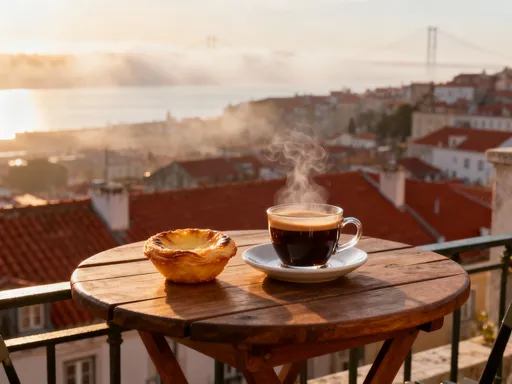
Lisbon’s unique topography, shaped by seven distinct hills, creates an extraordinary network of elevated viewpoints known as miradouros. These scenic perches are more than just photo opportunities—they are integral to the city’s culinary rhythm. Locals and visitors alike gather at these hilltop havens not only to admire sweeping vistas of terracotta rooftops, the meandering Tagus River, and distant bridges, but also to enjoy simple yet deeply satisfying meals that reflect Lisbon’s soul. Many of these miradouros house small cafés or kiosks where traditional Portuguese fare is served with a side of serenity. Imagine sitting on a sun-dappled terrace with a warm bica, Portugal’s strong espresso, in hand, watching the morning mist dissolve over the city as church bells echo from São Jorge Castle.
What sets these elevated eateries apart is their authenticity. Unlike commercialized tourist zones, places like Miradouro da Senhora do Monte or Miradouro de Santa Luzia maintain a quiet dignity, frequented as much by elderly residents reading newspapers as by curious travelers. At these spots, food becomes part of a slower, more mindful experience. The pastéis de nata—creamy custard tarts dusted with cinnamon and powdered sugar—are often freshly delivered from nearby bakeries, their flaky shells still warm. There’s a rhythm to dining here: the clink of porcelain, the hum of soft conversation, the occasional strum of a guitar as street musicians pay tribute to Lisbon’s musical heritage. It’s not just about eating; it’s about pausing, observing, and absorbing the city’s heartbeat.
One of the most rewarding experiences is visiting a miradouro at golden hour. As the sun begins its descent, the entire city glows in warm amber light, and the river shimmers like liquid gold. Cafés that were quiet during midday come alive with renewed energy. People linger over glasses of chilled white wine or regional craft beers, savoring plates of queijo da serra—a creamy sheep’s milk cheese—accompanied by crusty bread and local olives. The combination of elevation, natural beauty, and authentic cuisine makes these spots some of the most emotionally resonant places in Lisbon. For families, couples, or solo travelers, these moments of quiet connection with food and view create lasting memories.
Belém: Where History Meets Flavor
No journey through Lisbon’s culinary landscape is complete without a pilgrimage to Belém, a historic riverside district nestled along the northern bank of the Tagus. This neighborhood is a living museum of Portugal’s Age of Discovery, home to architectural masterpieces like the UNESCO-listed Jerónimos Monastery and the imposing Monument to the Discoveries. But beyond its monumental façades, Belém holds a different kind of treasure—one that appeals directly to the senses. The air here carries a constant, intoxicating aroma of vanilla, cinnamon, and baked pastry, leading eager visitors straight to the original Pastéis de Belém bakery.
Established in 1837 and still operating from the same wood-paneled storefront, this iconic establishment is the birthplace of the now-world-famous custard tart. The recipe remains a closely guarded secret, known only to a select few within the company. Each tart is handcrafted with a crisp, golden-brown crust and a rich, velvety filling that balances sweetness with a subtle tang. Served warm and dusted with cinnamon and powdered sugar, the experience of eating a Pastel de Belém is both indulgent and humble. Locals often pair it with a small glass of espresso, allowing the bitterness of the coffee to cut through the sweetness of the custard—a pairing so perfect it feels timeless.
But Belém offers more than just pastries. The riverside promenade, which stretches from the monastery to the modern Centro Cultural de Belém, invites leisurely strolls with uninterrupted views of the water. As the sun begins to set, families gather on benches, children chase pigeons, and couples pause to take photos against the backdrop of the illuminated monument. Food kiosks along the way serve grilled sardines on rustic bread and small cups of caldo verde, a traditional kale and chorizo soup that warms the soul. The atmosphere is relaxed, unhurried, and deeply rooted in Portuguese daily life. Dining here isn’t just about consumption—it’s about participation in a centuries-old rhythm of light, water, and flavor.
Alfama’s Hidden Cafés with a View
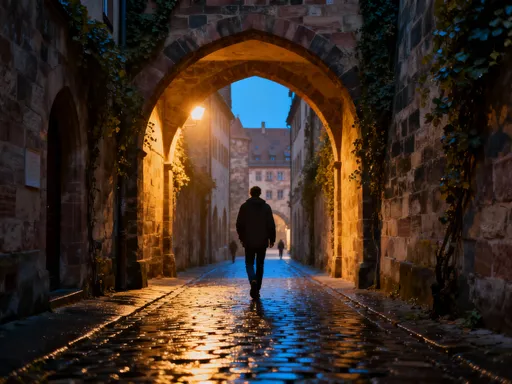
Winding through Lisbon’s oldest neighborhood, Alfama feels like stepping into a different era. Its narrow, cobbled streets climb unpredictably, flanked by pastel-colored buildings adorned with laundry lines and flower-filled balconies. This labyrinthine quarter survived the devastating 1755 earthquake and retains an authenticity that resonates with those seeking a more intimate side of Lisbon. Scattered throughout Alfama are small, unassuming cafés and tascas—family-run eateries—that offer not only delicious food but also some of the city’s most breathtaking views, often hidden just a few steps off the main pathways.
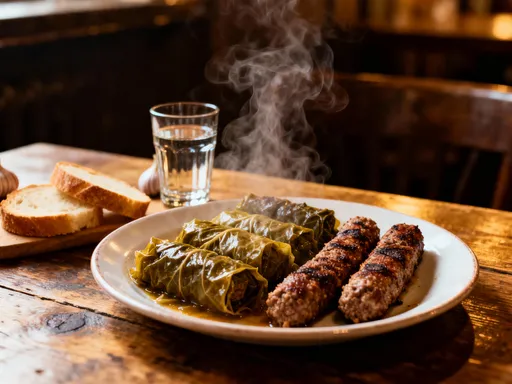
These hidden gems are where Lisbon’s culinary soul truly shines. Tucked onto hillside terraces, some of these cafés overlook the Tagus River, with the 25 de Abril Bridge stretching into the distance like a steel harp. From these vantage points, diners enjoy plates of simply grilled sardines, their skins slightly charred and glistening with olive oil, served with boiled potatoes and a wedge of lemon. Others might choose bacalhau à brás, a comforting dish of shredded salted cod mixed with onions, potatoes, and eggs, finished with a sprinkle of parsley. These meals are not plated for Instagram—they are made for sharing, for savoring slowly over conversation.
What makes dining in Alfama so special is the atmosphere. In the evenings, the soft strains of fado music drift from open windows, performed in intimate venues where singers pour their hearts into every note. The genre, recognized by UNESCO as an Intangible Cultural Heritage, speaks of longing, loss, and love—emotions that resonate deeply in this historic neighborhood. Many of the cafés double as fado houses, offering dinner and live music in cozy, candlelit settings. A glass of vinho verde, slightly effervescent and crisp, complements the experience perfectly. For visitors, especially women who value meaningful travel experiences, these moments offer a rare blend of cultural depth and sensory pleasure.
Timeless Flavors at Time-Out Market
In the bustling Cais do Sodré district, a once-neglected market hall has been transformed into one of Lisbon’s most vibrant culinary destinations: Time-Out Market Lisboa. Opened in 2014, this innovative space brings together over two dozen of the city’s most respected chefs, artisans, and traditional food vendors under one roof. It’s not just a food court—it’s a curated celebration of Portuguese gastronomy, where regional specialties and modern interpretations coexist in harmony. From Alentejo’s famed black pork to the Azores’ fresh tuna, the market offers a delicious cross-section of the nation’s diverse food culture.
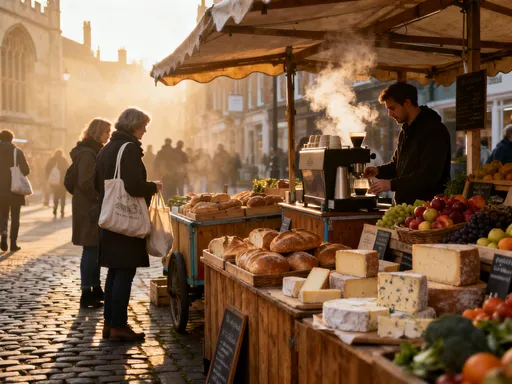
One of the standout features of Time-Out Market is its design. Large glass windows and an open-air courtyard allow natural light to flood the space, creating an inviting atmosphere that changes with the time of day. In the morning, sunlight reflects off polished countertops, illuminating displays of artisanal queijo, fresh bread, and glistening seafood. By evening, the market takes on a warmer glow, with string lights and candlelit tables adding to the convivial mood. The layout encourages exploration—visitors stroll from stall to stall, sampling small plates and discovering new favorites. It’s an ideal spot for families or groups with varied tastes, as everyone can choose exactly what appeals to them.
The market also emphasizes quality and authenticity. Every vendor is selected based on reputation, skill, and commitment to traditional methods. At Marisqueira Azul, for example, oysters are shucked to order and served with a squeeze of lemon and a dash of vinegar. At Croqueteria, the humble croquette is elevated into an art form, with fillings ranging from duck confit to salted cod. Even the desserts are exceptional—try the arroz doce, a creamy rice pudding infused with lemon zest and cinnamon, or the chocolate mousse made with 70% dark chocolate from a Portuguese chocolatier. Staff are knowledgeable and happy to guide first-time visitors, and many locals still come regularly, a testament to the market’s enduring appeal.
Sunset Dining Along the Tagus
As daylight begins to soften, Lisbon undergoes a quiet transformation. The pace slows, the air cools, and the city prepares for one of its most cherished daily rituals: sunset by the river. Along the Tagus waterfront, from the upscale marinas of Santos to the ferry-accessible Doca do Cacilhas, restaurants and wine bars open their terraces to welcome guests seeking front-row seats to nature’s nightly spectacle. This is not just dining—it’s an event, a moment where food, light, and water converge in perfect harmony.
The menu at these riverside spots often highlights the sea’s bounty. Grilled octopus, tender and smoky, arrives on a bed of chickpeas and coriander; cataplana de marisco, a seafood stew named after the copper clam-shaped pot it’s cooked in, bubbles with clams, prawns, and monkfish in a saffron-infused broth. These dishes are best enjoyed slowly, with a glass of vinho alvarinho or a crisp rosé from the Setúbal Peninsula. The flavors are clean, bright, and deeply satisfying—meant to complement the view, not compete with it.
What makes this experience so emotionally powerful is its accessibility. Unlike exclusive rooftop lounges in other global cities, Lisbon’s sunset dining is welcoming and unpretentious. Parents bring children, friends gather after work, and couples share quiet conversations as the sky shifts from gold to lavender to deep indigo. The reflection of the 25 de Abril Bridge in the water adds a poetic symmetry to the scene. For many visitors, especially those in their 30s to 50s who value meaningful, low-stress travel, this is the essence of Lisbon: beauty without pretension, luxury without excess.
Day Trips: Sintra’s Romantic Flavors
A mere 40-minute train ride from Lisbon, the town of Sintra feels like a world apart. Nestled in the lush, misty hills of the Sintra-Cascais Natural Park, this UNESCO World Heritage site is famous for its fairy-tale palaces, romantic gardens, and cool, pine-scented air. But beyond its architectural wonders, Sintra offers a unique culinary experience—one that pairs beautifully with its dreamlike atmosphere. The town’s elevated position and temperate climate create ideal conditions for enjoying warm, comforting pastries and hearty meals in cozy cafés with panoramic views.
One of the most beloved local treats is the travesseiro, or “pillow pastry,” a flaky, layered puff filled with sweet almond cream. Originating from the historic Piriquita bakery, established in 1862, this indulgent dessert has become a symbol of Sintra’s charm. Visitors line up early to taste one fresh from the oven, often accompanied by a bica or a small glass of regional liqueur. Other specialties include the queijada de Sintra, a soft cheese tart with a caramelized crust, and the pão de rala, a sweet cake made with egg yolks and lemon zest. These desserts are not only delicious but also deeply rooted in conventual traditions, where nuns once created sweets using surplus egg yolks from wine clarification processes.
Several restaurants in Sintra take full advantage of their hillside locations, offering terraces that overlook dense forests, distant turrets, and rolling valleys. Dining at such spots feels like being inside a painting—especially on misty mornings when the clouds cling to the mountaintops. Menus feature rustic Portuguese dishes: slow-cooked lamb stew, grilled Iberian sausages, and soups made with wild mushrooms foraged from the surrounding woods. The pace of life here is slower, more deliberate. It’s a place where grandmothers sip tea while watching the rain, and children chase butterflies in flower-filled gardens. For travelers seeking a peaceful escape, Sintra offers not just beauty, but emotional nourishment.
Why Lisbon’s Food & View Combo Is Unique
Few cities in the world manage to blend cuisine and scenery as seamlessly as Lisbon. While many destinations offer excellent food or stunning views, Lisbon provides both in equal measure—and with a sense of effortless harmony. Meals here are not isolated events confined to a plate; they are woven into the fabric of the city’s geography, light, and culture. Whether it’s a morning pastry enjoyed from a hilltop miradouro, a seaside lunch with the sound of waves in the background, or a candlelit dinner in a centuries-old neighborhood, each meal becomes a multi-sensory experience.
What makes this possible is Lisbon’s unique combination of natural topography, maritime climate, and deep-rooted culinary traditions. The city’s hills create natural stages for dining with a view, while its proximity to the Atlantic ensures an abundance of fresh seafood. Generations of home cooks and professional chefs have refined simple ingredients into dishes that speak of place and season. Olive oil, garlic, paprika, and cilantro form the backbone of many recipes, enhancing rather than masking the natural flavors of the food. Even the way meals are served—slowly, communally, with time for conversation—reflects a cultural value placed on connection and presence.
For the modern traveler, especially women who seek enriching, authentic experiences, Lisbon offers something rare: beauty without spectacle, flavor without fuss. There is no need to chase trends or wait in long lines for a “must-see” moment. Instead, magic reveals itself in quiet corners—in a grandmother’s smile at a neighborhood tasca, in the golden light filtering through a tiled courtyard, in the first bite of a warm custard tart as the city hums below. These are the moments that stay with you, not because they were perfect, but because they felt real.
Lisbon teaches you to eat with your eyes first—not just for the presentation on the plate, but for the world unfolding around you. The city’s topography, culture, and cuisine work together to create experiences that stay long after the last bite. So next time you plan a trip, don’t just look for great food—look for where it’s served. In Lisbon, the view is always on the menu.