How I Built My Emergency Fund Without Sacrificing My Lifestyle
Let’s be real—life hits hard when you least expect it. A car breaks down, a job gets shaky, or a bill shows up out of nowhere. I’ve been there. That’s why I started treating my emergency fund like financial armor. Not overnight, but with consistent choices that actually fit my life. This isn’t about extreme cuts or unrealistic goals. It’s about smart, practical moves that add up. Here’s how I did it—and how you can too—without feeling broke in the process.
The Wake-Up Call: Why I Finally Took My Emergency Fund Seriously
For years, I told myself I didn’t need an emergency fund. I had a steady job, health insurance, and a credit card for emergencies. That logic held—until the day I got hit with an unexpected medical bill for over $2,000. My insurance covered most of it, but the remainder landed in my lap with no warning. I scrambled to cover it, pulling money from my checking account, delaying other bills, and dipping into a vacation fund I had worked months to build. That moment was humbling. I realized I wasn’t managing my finances—I was reacting to them.
What changed was perspective. I stopped seeing an emergency fund as a luxury for people with extra money and started viewing it as a basic necessity, like car insurance or a smoke detector. It wasn’t about getting rich. It was about staying in control when life didn’t go according to plan. Research shows that nearly 40% of American adults wouldn’t be able to cover a $400 emergency with cash, and that statistic hit home. I didn’t want to be part of that group. I began reading personal finance books, listening to experts, and learning how much to save, where to keep it, and what truly qualified as an emergency.
Experts generally recommend saving three to six months’ worth of essential living expenses. For someone with a mortgage, childcare, and transportation costs, that could mean $15,000 or more. That number felt overwhelming at first, but I broke it down into smaller, manageable goals. Instead of focusing on the final number, I started with $1,000—a buffer that could cover most minor crises without touching credit. That initial milestone gave me momentum. The emotional shift was just as important as the financial one. I wasn’t just saving money—I was building resilience. And that peace of mind was worth more than any short-term splurge.
Defining the Real Emergency: What Counts and What Doesn’t
One of the most important lessons I learned early on was that not every surprise qualifies as an emergency. At first, I treated my emergency fund like a personal piggy bank. A flat tire? Emergency. A friend’s birthday gift I forgot to buy? Emergency. A Wi-Fi outage that made working from home difficult? I almost treated that as one. But that mindset was dangerous. If every unexpected cost becomes an emergency, the fund disappears fast—and it loses its purpose.
I started defining what a true emergency actually is: sudden, essential, and unavoidable. Job loss, urgent home repairs, medical emergencies, or major car breakdowns fall into this category. These are events that directly impact your safety, health, or ability to earn a living. On the other hand, things like holiday shopping, annual subscriptions, or a last-minute vacation don’t belong here. I created a simple checklist: Is this urgent? Is it necessary? Could I have planned for it? If the answer to the last question was yes, it wasn’t an emergency.
This clarity transformed how I used the fund. I stopped dipping into it for things I merely wanted and preserved it for situations where I truly had no other option. For example, when my washing machine broke, I paused other savings goals and used part of the fund to replace it—because without it, my daily routine would have been severely disrupted. But when I wanted to upgrade my phone because the new model looked appealing, I waited. I saved separately for that. Setting these boundaries wasn’t about deprivation. It was about intentionality. By protecting the fund from misuse, I ensured it would be there when I really needed it, and that gave me greater confidence in my financial decisions overall.
Where to Park Your Emergency Cash: Safety Over Returns
I used to think that every dollar should be working hard to grow. So when I started building my emergency fund, I made a mistake—I placed the money in a brokerage account tied to the stock market. I told myself I was being smart, earning potential returns while saving. Then came a market downturn. Just when I needed to access part of the fund for a car repair, the value had dropped by 15%. I either had to sell at a loss or delay the repair. Neither option was acceptable. That experience taught me a critical lesson: the primary goal of an emergency fund is not growth—it’s safety and access.
Since then, I’ve moved my emergency savings into a high-yield savings account at an FDIC-insured bank. These accounts offer better interest rates than traditional savings—often above 4% annually—but without the volatility of the stock market. The money is liquid, meaning I can transfer it to my checking account within a day or two if needed. It’s also separate from my everyday spending accounts, which reduces the temptation to dip into it casually. Some people use money market accounts or short-term certificates of deposit, and those can be suitable as long as they allow quick access without penalties.
What I’ve learned is that chasing high returns in this part of my financial life isn’t worth the risk. A 7% return means nothing if the market crashes when I need the money. Stability matters more than performance here. I accept that this money won’t grow fast, but I also know it will be there when I need it. That reliability is the whole point. I’ve also made sure the account is with a different bank than my primary checking, adding an extra layer of friction that discourages impulsive withdrawals. The peace of mind that comes from knowing my emergency cash is safe and accessible is far more valuable than any extra interest I might earn elsewhere.
The Paycheck Puzzle: How I Found Extra Cash Without a Raise
When I decided to start building my emergency fund, my first thought was, “I can’t afford this.” My budget was already tight. But then I took a closer look at where my money was actually going. I reviewed 12 months of bank statements and categorized every expense. What I found surprised me. I was paying for three streaming services I barely used, a gym membership I hadn’t visited in months, and an insurance plan that was more expensive than necessary. These weren’t huge amounts individually, but together, they added up to over $150 a month—more than enough to kickstart serious savings.
I canceled what I didn’t use, switched to a more affordable insurance provider, and renegotiated my internet bill by calling customer service and asking for a better rate. Those changes freed up $120 a month. I also started packing lunch more often and reduced impulse grocery trips by planning meals weekly. That saved another $80. Suddenly, I wasn’t living beyond my means—I was just mismanaging them. The key was not cutting out joy, but eliminating waste. I still went out with friends, bought books, and treated myself occasionally. I just became more intentional about where my money went.
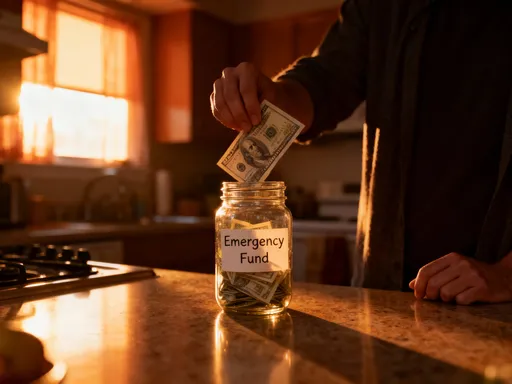
Once I had that extra cash, I set up automatic transfers to my emergency fund. The day after payday, $200 moved automatically from checking to savings. I treated it like a bill—non-negotiable and paid first. This “pay yourself first” approach ensured that saving wasn’t something I did only if there was money left at the end of the month. Because most of my expenses were predictable, this system worked consistently. Over time, those automatic deposits built momentum. I didn’t feel deprived because I wasn’t making drastic changes. I was making small, repeatable choices that added up. Within 18 months, I reached my $10,000 goal—not because I earned more, but because I managed better.
The 72-Hour Rule: A Simple Trick to Avoid False Emergencies
Even with clear rules, I still struggled with impulse withdrawals. There were moments when I convinced myself something was an emergency when it wasn’t. A leaky faucet? Urgent. A friend inviting me to a weekend getaway? “I need a break—this is mental health!” I realized I needed a mental filter to prevent emotional decisions from draining my savings. That’s when I created the 72-hour rule: before withdrawing from my emergency fund, I had to wait three full days. If the need still existed and met my emergency criteria after that time, I could access the money. If not, it wasn’t urgent enough.
This simple delay changed everything. It created space between impulse and action. Most of the time, the “crisis” resolved itself or I found a cheaper alternative. The leaky faucet? I watched a DIY video and fixed it myself for $10. The weekend trip? I realized it wasn’t essential and planned a local picnic instead. The waiting period didn’t stop me from using the fund when necessary—it just ensured I was thoughtful about it. It also reduced guilt and second-guessing afterward. I knew I hadn’t acted rashly.
The 72-hour rule also helped me distinguish between urgency and importance. Just because something feels pressing doesn’t mean it requires emergency funds. Time became my ally. It allowed me to consult my budget, explore options, and make informed decisions. I applied the same rule to large non-emergency purchases, which further strengthened my financial discipline. This wasn’t about restriction—it was about clarity. By building in a pause, I protected my fund from emotional spending while still maintaining flexibility for true emergencies. The result was a stronger, more resilient savings buffer and greater confidence in my ability to handle surprises without panic.
Rebuilding After a Dip: What Happens When You Actually Use the Fund
Using my emergency fund for the first time felt like failure. I had worked so hard to build it, and now it was shrinking. I withdrew $3,000 during a brief job transition when income paused for two months. Logically, I knew this was exactly what the fund was for. Emotionally, it was hard not to feel like I’d lost progress. But I reminded myself: a tool only has value if it’s used when needed. The point of an emergency fund isn’t to sit untouched forever—it’s to provide stability during disruptions.
Once I was back on stable income, I created a rebuild plan. I didn’t try to refill the fund overnight. Instead, I adjusted my monthly transfer from $200 to $400 for six months. I also paused contributions to my vacation fund and delayed a home renovation project to free up cash. This wasn’t about punishment—it was about prioritization. I viewed the rebuild as a temporary phase, not a setback. I tracked my progress monthly and celebrated small milestones, like reaching $5,000 again. That positive reinforcement kept me motivated.
I also reviewed what had happened to prevent future gaps. In this case, the job loss was unavoidable, but I realized I could improve my career resilience by upskilling and maintaining a stronger professional network. I started dedicating time each week to learning new skills and connecting with colleagues. That proactive approach reduced my anxiety about future instability. Rebuilding the fund didn’t take as long as I feared—within 10 months, I was back to my target. The experience taught me that using the fund isn’t the end of financial discipline—it’s part of the cycle. Every withdrawal should be followed by a plan to recover, and that discipline is what makes the system sustainable.
Beyond the Basics: How My Emergency Fund Became a Launchpad
Once my emergency fund was fully restored, something unexpected happened—I started making bolder financial decisions. I negotiated a lower interest rate on my car loan because I knew I could handle payments even if something went wrong. I took a pay cut to move into a role I loved, confident that I had a buffer if the transition didn’t work out. I even started investing more in a diversified portfolio, knowing I wasn’t putting essential money at risk. My emergency fund stopped being just a safety net. It became a foundation for growth.
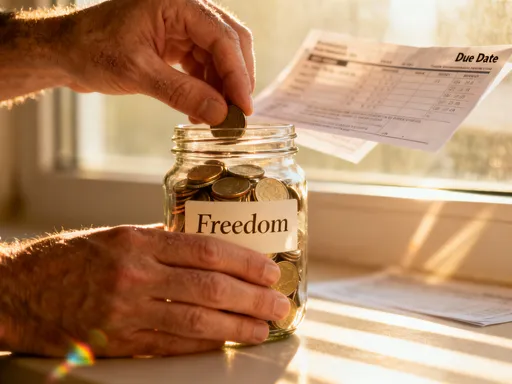
Having that financial cushion reduced my money anxiety significantly. I stopped obsessing over every dollar. I made decisions based on long-term goals, not short-term fear. I was able to say no to bad deals and yes to real opportunities. I also became more generous—donating to causes I cared about and helping family members in true emergencies without jeopardizing my own stability. The fund gave me not just security, but freedom.
Most importantly, it changed my relationship with money. I no longer saw it as something to fear or chase. I saw it as a tool to create the life I wanted. The discipline I built while saving spilled over into other areas—budgeting, investing, planning for retirement. I started setting more ambitious goals because I knew I had the resilience to handle setbacks. My emergency fund didn’t make me rich, but it made me financially confident. And that confidence has been the most valuable return on investment I’ve ever seen.
Strength in Stability, Freedom in Preparedness
Building an emergency fund wasn’t glamorous. There were no big wins, no viral moments, no overnight success. It was quiet, consistent effort—small choices made over time that added up to something powerful. I didn’t need a raise, a windfall, or a perfect budget. I just needed clarity, discipline, and a few smart rules. My fund didn’t eliminate life’s surprises, but it changed how I responded to them. I went from reacting with panic to responding with calm.
What I’ve learned is that financial strength isn’t about having the most money. It’s about having control. It’s knowing you can handle what comes your way without falling apart. An emergency fund isn’t a sign of wealth—it’s a sign of wisdom. It’s the difference between living in fear of the next bill and living with the confidence that you’re prepared.
And that’s the real freedom. Not the freedom to spend without limits, but the freedom to make choices without desperation. The freedom to take a risk, to pause, to breathe. To live life on your terms, even when life doesn’t go according to plan. This journey wasn’t about fear. It was about empowerment. And every dollar I saved brought me one step closer to peace of mind. That’s a return no investment can match.